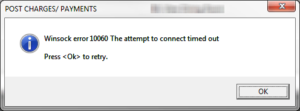
execution error
The runtime error is a term used in computing that refers to an interruption or failure in the execution of a program or process within an operating system, like Windows 10 or Windows XP. This type of error can be caused by a variety of factors, including code errors, compatibility issues, insufficient system resources, or file corruption. Runtime errors usually manifest through on-screen error messages and can result in unexpected application stoppages, data loss and, in some cases, damage to the operating system.
Types of runtime errors
Runtime errors can be classified into various categories, depending on their nature and origin:
1. Code errors
Code errors are defects in the program that can arise during the development phase. These errors are usually related to the logic of the program, syntax, or incorrect use of functions and libraries. Some examples include:
- Unhandled exceptions: Situations where the code does not properly handle exceptional conditions, resulting in a program crash.
- Null references: Attempting to access an object that has not been initialized, which causes a runtime error.
2. Compatibility issues
Compatibility issues occur when a program does not work correctly on a specific operating system or in combination with other applications. Factors that contribute to these issues include:
- Library versions: Variaciones en las versiones de bibliotecas de software que no son compatibles entre sí (for example, versiones de .NET FrameworkThe .NET Framework is a development platform created by Microsoft that allows the construction and execution of applications on Windows. Released in 2002, provides a robust and secure environment, facilitating the integration of different programming languages, like C# and VB.NET. Includes an extensive class library and an execution environment known as Common Language Runtime (CLR), que gestiona la ejecución de programas y la gestión de memoria...., Visual C++ Redistributables).
- System configurations: Diferencias en configuraciones de hardware o software que pueden afectar la ejecución de un programa.
3. Recursos del sistema
La insuficiencia de recursos del sistema puede provocar errores de ejecución. Este tipo de error se presenta comúnmente en máquinas con hardware limitado o en entornos donde múltiples aplicaciones demandan recursos simultáneamente. Los indicadores incluyen:
- Falta de memoria RAM: Cuando un programa requiere más memoria de la que está disponible, puede resultar en un fallo.
- Espacio en disco insuficiente: Muchos programas requieren espacio en disco para operaciones temporales. Si este espacio no está disponible, se pueden generar errores.
4. File Corruption
File corruption can result from various factors, including hard drive failures, power interruptions, or malware. Programs may experience runtime errors if they try to access damaged files. This includes:
- Configuration filesConfiguration files are essential components in the field of computing, used to customize the behavior of software and operating systems. These files, which usually have extensions like .ini, ..conf or .json, store parameters and settings that allow adapting the operation of an application to the user's needs. By allowing configuration changes without modifying the source code, configuration files promote a... corrupt: Configuration files that have been corrupted and prevent the program from running correctly.
- Corrupted user data: Files or databases containing damaged data that cause errors when performing operations.
Runtime Error Diagnosis
Runtime error diagnosis is a critical process that may require advanced skills. To identify the cause of a runtime error, the following steps can be followed:
1. Reading the error message
Los mensajes de error proporcionan pistas sobre la naturaleza del problema. Un mensaje típico puede incluir el código de error y una breve descripción. For example, un error como "0xC0000005" indica un acceso a memoria no válido.
2. Revisión de registros de eventos
Windows incluye un Visor de eventos que almacena registros de sistema, seguridad y aplicaciones. Los registros pueden ofrecer información detallada sobre errores en la ejecución. Para acceder al Visor de eventos:
- Press
Win + Rand typeeventvwr. - Navegar hasta
Registros de Windowsy seleccionarAplicaciónOSistema.
3. Uso de herramientas de depuración
Las herramientas de depuración, As the Visual Studio Debugger, permiten a los desarrolladores rastrear errores en sus aplicaciones. Estas herramientas pueden ayudar a identificar la línea de código que causa el error, y a examinar el estado de la memoria en el momento en que ocurre el fallo.
4. Ejecución del programa en modo seguro
Iniciar Windows en safe modeThe "Safe Mode" It is an essential tool in operating systems and electronic devices that allows you to start the system with a minimum set of drivers and services. This mode is useful for troubleshooting., remove viruses or restore settings. When you activate Safe Mode, Users can identify and correct faults that prevent the device from functioning properly. Usually, Safe Mode is accessed by pressing a specific key during boot.. puede ayudar a diagnosticar si el error es causado por controladores o software de terceros. En modo seguro, solo se cargan los controladores esenciales, lo que puede permitir que el programa se ejecute sin interferencias externas.
Solución de errores de ejecución
Una vez identificado el tipo de error y su origen, se pueden implementar diversas estrategias para solucionarlo. Then, se describen algunas soluciones comunes:
1. Actualización de software
Mantener el software actualizado es una de las mejores prácticas para evitar errores de ejecución. This includes:
- Windows UpdateWindows updates are essential components for the maintenance and security of Microsoft operating systems. Through Windows Update, users receive performance improvements, security patches and new features. It is recommended that users keep this option activated to ensure protection against vulnerabilities and optimize system operation. Updates are downloaded and installed automatically, although it is also possible to configure them manually..: Asegurarse de que el sistema operativo esté completamente actualizado.
- Driver update: Los controladores desactualizados pueden causar incompatibilidades. Utilizar el Administrador de dispositivos para verificar actualizaciones.
2. Reinstallation of applications
If a program keeps crashing, reinstalling it can resolve file corruption issues:
- Uninstall the program from Control PanelThe "Control Panel" It is an essential tool in the field of systems management and supervision. Allows users to monitor and manage various functionalities of a software or hardware from a single interface. Through graphics, indicators and interactive options, access to relevant information is facilitated, which optimizes decision making. Control panels are used in different sectors, including technology,....
- Download the latest version of the program from the official website.
- Install the application again.
3. System file check
Windows includes tools like the System File Checker (SFC) which can scan and repair damaged system files. To use it:
- Open the command prompt as administrator.
- Run the command
sfc /scannow.
4. Increasing system resources
If the error is due to lack of resources, consider increasing RAM or freeing up disk space. To manage resource usage:
- Performance monitoring: Use the Task ManagerTask Manager is an essential tool in Windows operating systems that allows users to manage running processes, Monitor system performance and track open applications. Accessible via key combinations such as Ctrl + Shift + Esc, Provides detailed information about CPU usage, memory and disk. What's more, makes it easier to complete unresponsive tasks and.... to identify applications that consume excessive resources.
- Uninstall unnecessary programs: Reducir la carga en el sistema desinstalando software que no se utiliza.
Prevención de errores de ejecución
La mejor manera de abordar un error de ejecución es prevenir su ocurrencia. Algunas estrategias de prevención son:
1. Pruebas rigurosas
Para los desarrolladores, realizar pruebas exhaustivas durante la fase de desarrollo puede ayudar a identificar errores antes de que el software se implemente. This includes:
- Pruebas unitarias: Evaluar componentes individuales para asegurar que funcionen correctamente.
- Pruebas de integración: Verificar que las diferentes partes del software interactúan adecuadamente.
2. Uso de entornos de desarrollo controlados
Los entornos de desarrollo y prueba controlados pueden minimizar los riesgos de errores de ejecución en producción. Using virtual machines or container environments to perform tests can reduce the possibility of external interference.
3. Continuous monitoring
Implementing monitoring solutions that can detect and log errors in real time. This allows system administrators to respond quickly to emerging issues.
4. Training and documentation
Ensuring that users and developers are well trained and have access to detailed documentation can reduce the incidence of errors. Proper training on software usage and programming best practices can be crucial.
Conclution
Runtime error is a common phenomenon in the field of computer science, y su comprensión es esencial para los profesionales que trabajan con sistemas operativos como Windows 10 y Windows XP. Desde la identificación de los tipos de errores hasta su diagnóstico y solución, el manejo eficaz de estos problemas puede mejorar la estabilidad de las aplicaciones y sistemas. A través de la implementación de buenas prácticas de prevención y el uso de herramientas adecuadas, los usuarios pueden mitigar el impacto de estos errores y asegurar un entorno informático más fiable y eficiente.