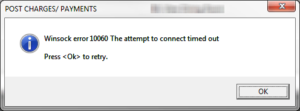
Network diagnostics
The Network diagnosis refers to a set of tools and procedures used to identify, Analyze and solve connectivity and performance problems in computer networks. In operational environments like Windows 10 y Windows XP, as well as in productivity applications such as Microsoft Office and development environments such as Visual Studio, Network diagnosis plays a crucial role in systems administration and in the maintenance of IT infrastructure. This article explores the various tools, techniques and approaches used in networks diagnosis, focusing on technical aspects that are relevant to professionals in the area.
1. Network Diagnostic Tools in Windows
1.1. Command line commands
Windows offers a variety of commands that are essential for networks. The most relevant include:
-
ping: This command is used to check the connectivity between the local equipment and another device on the network. Send ICMP packages (Internet Control Message Protocol) and shows the time it takes to receive an answer.
ping [dirección IP o nombre de dominio] -
Tracert: Similar a
ping, This command is used to track the route taken by the packages to reach a specific destination. Provides information about each intermediate jump on the route, what is useful to identify bottlenecks or latency -related problems.tracert [dirección IP o nombre de dominio] -
ipconfig: This command shows the network adapter network configuration, including IP address, The subnet mask, and the predetermined link door.
ipconfig /all -
nslookup: Tool to consult the domain name system (DNSThe Domain Name System (DNS, by its acronym in English) is a fundamental component of the Internet that translates human-readable domain names, like www.ejemplo.com, in numerical IP addresses that computers can understand. This process allows users to access websites easily, no need to remember long strings of numbers. DNS also plays a crucial role in security and....) To obtain information on IP addresses and domains.
nslookup [nombre de dominio] -
netstat: This command shows active network connections, Listening ports and connections status. It is useful for identifying unauthorized connections or performance problems.
netstat -ano
1.2. Graphic tools
In addition to the commands of command lineThe command line is a textual interface that allows users to interact with the operating system using written commands.. Unlike graphical interfaces, where icons and menus are used, The command line provides direct and efficient access to various system functions. It is widely used by developers and system administrators to perform tasks such as file management, network configuration and...., Windows includes graphic tools that facilitate the diagnosis of networks, What:
-
Shared Network and Resources Center: Allows users to see the state of the network, Perform connectivity tests and configure networks.
-
Network troubleshooter: This automated tool can help identify and repair common connectivity problems in Windows.
2. Network diagnosis at Windows XP
Although Windows XP is an obsolete operating system, It is still in use in certain business environments. XP network diagnosis is based on tools similar to those of subsequent Windows versions, But with some key differences.
2.1. Specific XP tools
-
Network connection assistant: Provided a guided interface to configure network connections, including telephone accessions and VPNA VPN, o Virtual Private Network, is a tool that allows you to create a secure and encrypted connection over the Internet. Its main function is to protect the user's privacy by hiding their IP address and encrypting the transmitted data.. This is especially useful when using public Wi-Fi networks, as it reduces the risk of interception of sensitive information. What's more, VPNs can help access geo-restricted content,... More.
-
Wireless network configuration: XP introduced support for Wi-Fi networks, including an assistant to configure and diagnose wireless connections.
2.2. Windows XP limitations
It is important to highlight that the support for Windows XP ended in 2014, which implies that safety updates and improvements in diagnostic tools are no longer available. This can present significant risks and limitations in the diagnosis of complex problems in modern networks.
3. Network diagnosis in Microsoft Office
Network diagnosis also extends to productivity applications such as Microsoft Office, where connectivity problems can affect the performance and functionality of applications.
3.1. Common problems in Office
-
Access to cloud files: Many Office users depend on cloud services such as OneDrive or SharePoint. Network problems can prevent access to these files, So it is essential to ensure that Internet connectivity is stable.
-
Email connections: Applications such as Outlook require a network connection to send and receive emails. Network problems can result in stuck emails or impossibility of accessing mail servers.
3.2. Diagnostic tools in Office
Microsoft Office includes tools such as Office support assistant and the Outlook problem solving, that help users identify and solve problems related to the network.
4. Network diagnosis in Visual Studio
Visual Studio, What integrated development environment (IDE)An Integrated Development Environment (IDE) is an essential tool for programmers that combines various functionalities in a single application. Usually, an IDE includes a code editor, a compiler or interpreter, a debugger and project management tools. Its main advantage lies in facilitating the development process by offering a unified environment where developers can write, Test and debug your code efficiently. Popular examples... More, It also requires a stable network to access code repositories, cloud services and collaboration tools.
4.1. Integration with version control systems
Developers who use version control systems such as GIT or Azure DevOpsAzure DevOps is a set of cloud services that facilitates collaboration in software development teams. Offers tools for project planning, source code management, continuous integration and continuous delivery (CI/CD), as well as bug tracking. With features like Azure Boards, Azure Repos y Azure Pipelines, Enables teams to implement agile practices and improve software quality. What's more,... may experience network problems that affect the synchronizationSynchronization is a fundamental process in various areas, from technology to biology. In the digital context, refers to the harmonization of data between different devices or platforms, ensuring information remains up to date and consistent. This is especially relevant in cloud storage services., where users need to access the same version of files from different locations. in biology, Synchronization can.... of changes and collaboration. To diagnose these problems, professionals can use:
- Git commands: Tools like
git clone,git fetchYgit pushThey can help identify connectivity problems with remote repositories.
4.2. Access to cloud services
Visual Studio allows developers to display applications and cloud services. Network problems can result in failures when trying to access Azure services, So it is crucial to make connectivity diagnoses.
5. Advanced network diagnostic techniques
Professionals can also use more advanced techniques to diagnose network problems, including:
5.1. Traffic monitoring
Tools like Wireshark allow users to capture and analyze real -time network traffic. This is essential to identify performance problems, as loss of high packages or latencies.
5.2. Performance analysis
Performance analysis tools, Like perfmon in Windows, They allow administrators to monitor the use of resources (CPU, memory, Bandwidth) and its impact on the network. This helps identify bottlenecks in network infrastructure.
5.3. Stress tests
Network stress tests involve simulating high load conditions to assess the network capacity and its under pressure behavior. Tools such as IPERF are useful for measuring network performance and bandwidth capacity.
5.4. Event and record management
Event and record management is essential for networks diagnosis. Windows event records, along with record analysis tools such as Elk Stack, They can help identify network problems related to applications and services.
6. Best practices in network diagnosis
To carry out an effective network diagnosis, It is recommended to follow a series of best practices:
6.1. Documentation
It is essential to maintain detailed documentation on network configuration, assigned IP addresses and diagnostic procedures. This facilitates problem solving and patterns identification.
6.2. Proactive monitoring
The implementation of proactive monitoring solutions allows administrators to detect problems before they impact end users. This includes the use of network monitoring tools that send alerts in real time.
6.3. Continuous training
Stay updated on the latest technologies and diagnostic tools is crucial. Continuous training in the use of advanced tools and diagnostic techniques can significantly improve the efficacy in resolving network problems.
7. Conclusions
Network diagnosis is an essential aspect of systems management and IT infrastructure. With a technical approach and the use of adequate tools, Professionals can identify and solve connectivity and performance problems, thus ensuring an efficient and productive work environment. The combination of command line commands, graphic tools and advanced techniques allows an integral understanding of the network and its operation. The appropriate documentation, Proactive monitoring and continuous training are key elements for success in network diagnosis.
With the constant evolution of network technologies and the growing complexity of infrastructure, The mastery of the network diagnosis becomes an indispensable competence for IT professionals in the 21st century.