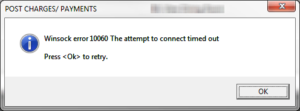
Modal dialog
And modal dialog box it is a type of graphical user interface (GUI)The graphical user interface (GUI) It is an essential component in the interaction between humans and computers. Through visual elements such as windows, icons and menus, allows users to interact with the software intuitively. GUIs have evolved since their inception in basic operating systems to become complex platforms that facilitate daily tasks, From document edition to Internet navigation. Its design ... that requires user interaction before allowing access to other parts of the application. Unlike non-modal dialog boxes, that allow the user to interact with other windows while they are open, modal dialog boxes block interaction with other application windows until the user completes the required action, such as selecting an option or closing the box. This mechanism is crucial in the user experience, ensuring that important decisions are made without additional distractions.
Features of modal dialog boxes
Modal dialog boxes have several distinctive features that differentiate them from other types of windows:
Interface Blocking
The most notable feature of a modal dialog box is its ability to block interaction with other parts of the application. This blocking ensures that the user cannot perform actions that could interfere with the current operation until they complete their task in the dialog box. Depending on the implementation, it may block not only the main application window, but also any other secondary windows or open dialogs.
Specific Purpose
Modal dialog boxes are frequently used for specific purposes, such as:
- Confirmations: Ask the user to confirm a critical action, such as deleting a file.
- Warnings: Notify the user about a problem that must be resolved, such as a lack of network connection.
- Input: Require information from the user, such as passwords or settings before proceeding.
Visual Effects
Modal dialog boxes usually feature visual effects that distinguish them from other windows. For example, they can appear with a style that highlights them on the screen, such as a dimmed or blurred background on the main window, which helps focus the user's attention on the dialog box.
Use of modal dialog boxes in Windows
Modal dialog boxes are widely used in the Windows operating system, both on Windows 10 as in earlier versions like Windows XP. These dialogs are integrated into various applications and systems within the Windows environment, and their use is fundamental for user interaction.
Implementation in Desktop Applications
In desktop applications developed with tools such as Visual Studio, Programmers can implement modal dialog boxes using frameworks like Windows Forms or WPF (Windows Presentation Foundation). For example, In Windows Forms, A modal dialog box can be created using the method ShowDialog(), that creates and shows a form as modal.
C# code example using Windows Forms:
using System;
using System.Windows.Forms;

public class FormularioPrincipal : Form
{
    private void MostrarDialogo()
    {
        using (var dialogo = new FormularioDialogo())
        {
            if (dialogo.ShowDialog() == DialogResult.OK)
            {
                // Procesar la información del diálogo
            }
        }
    }
}
User Interactions
Managing interactions in modal dialog boxes is critical. Developers must ensure that the application flow is intuitive and that the options presented are clear. The way click events and button responses are handled are key aspects of the user experience.
Advantages of modal dialog boxes
Clarity in Decision Making
Modal dialog boxes provide a clear focus for decision-making. By forcing the user to interact with the dialog before continuing, the risk of rushed decisions or errors in the workflow is reduced. This is especially useful in applications that require confirmations of destructive or critical actions.
Error Prevention
By blocking other interactions, modal dialog boxes help prevent situations where the user could perform unwanted actions while trying to complete a task. This is especially important in applications that handle sensitive or important data.
Interface Consistency
The use of modal dialog boxes also promotes a consistent user experience. Users quickly learn to anticipate these windows in specific situations, such as saving changes or confirming actions, which allows them to interact with the application more efficiently.
Disadvantages of modal dialog boxes
Workflow Interruption
One of the most common criticisms of modal dialog boxes is their ability to interrupt the user's workflow. If a modal dialog box appears at an unexpected moment, it can frustrate the user and cause a negative experience, especially if it appears in the middle of other tasks.
Sobrecarga de Información
In some cases, modal dialog boxes can become overwhelming if overused. If an application presents multiple modal dialogs, the user may feel lost or unable to make progress, which can lead to demotivation in using the application.
Accessibility Limitations
Modal dialog boxes can present accessibility challenges. Users with visual or motor disabilities may encounter difficulties interacting with these boxes, especially if they are not designed considering accessibility guidelines. It is essential that developers implement accessible practices to ensure all users can effectively interact with the application.
Best Practices in the Use of Modal Dialog Boxes
To maximize the effectiveness and minimize the disadvantages of modal dialog boxes, los desarrolladores deben seguir ciertas mejores prácticas:
Diseño Claro y Conciso
El contenido dentro de un cuadro de diálogo modal debe ser claro y directo. Se recomienda que el texto sea comprensible y que las opciones presentadas sean fácilmente discernibles. Esto ayuda a los usuarios a tomar decisiones rápidas y precisas.
Limit Usage
Es recomendable limitar el uso de cuadros de diálogo modales a situaciones en las que son absolutamente necesarios. Esto ayudará a mantener un flujo de trabajo más fluido y evitará la sobrecarga de información.
Consideraciones de Accesibilidad
Los desarrolladores deben aplicar principios de diseño accesible, ensuring that modal dialogs are navigable using only the keyboard and are compatible with assistive technologies. This contributes to a better user experience for everyone.
User Testing
Conducting user testing can provide invaluable insight into how modal dialogs are perceived and used in practice. Observing how users interact with these elements can reveal areas for improvement and optimization.
Conclusions
Modal dialogs are a powerful tool in the user interface that allows controlled and focused interaction. Although they have certain disadvantages, when used correctly, They can significantly improve the user experience by providing clarity and focus. Careful implementation and user-centered design are essential to maximize their effectiveness and ensure smooth interaction with the application. As technology and user expectations evolve, It is essential that developers continue to adapt and improve the use of modal dialog boxes in their applications.